When I Get Old

I’m talking to a friend, a former neighbor, and the mother of one of my childhood friends. Dorothy is 97 years old, an age that most people consider old, yet she starts out most sentences “When I get old . . .” She’s not being coy. She doesn’t feel old and has no serious health issues except when she crochets too long and her hands hurt. She has just returned from a summer in Wisconsin at the family lodge, where she lived alone, although with the help of friends around the lake.

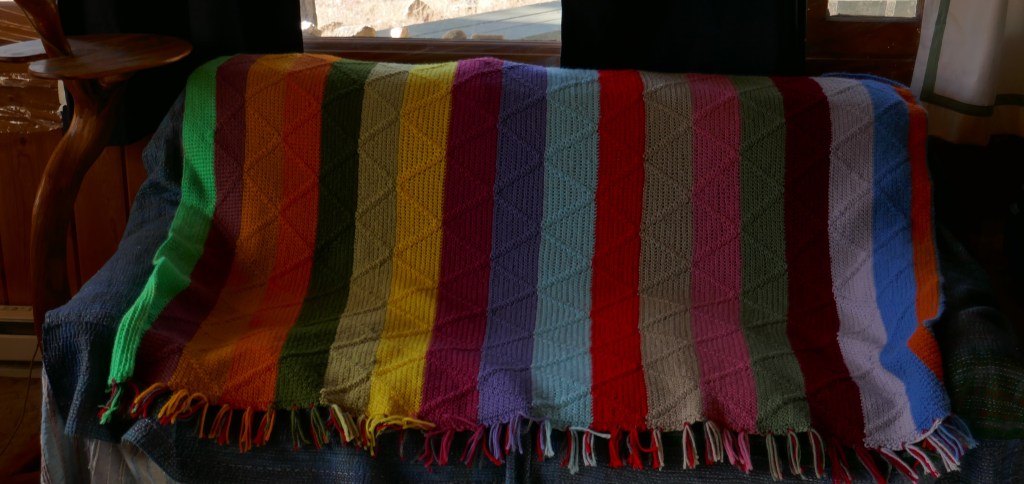
We’re sitting in her living room, the same place I used to play with her daughter some 60 years ago. Dorothy loves knick-knacks, and her small house is filled with them, like the mechanical flower that shimmies when the sun hits it. Her house, like Dorothy, radiates warmth and cheer. Almost every piece of furniture is covered with the colorful afghan blankets she has crocheted over the years.

Continue reading “When I Get Old”

Bite My Coin

I know there are fellow baby boomers who embraced each new technological marvel as it came along: the first primitive computers, the first BlackBerry phones, the first digital cameras. But I’ve resisted technology every step of the way.

When the newspaper I worked for in the 1980s started replacing our manual typewriters with computers, the management decided the best way to get its employees comfortable with this new technology was to teach us in the comfort of our own homes. I felt pretty confident after listening to the tech guy go through the whole system with me, but after he left I couldn’t figure out how to start the computer on my own. I was so frustrated that my impulse was to throw the computer through the front window.

I eventually got comfortable with computers—I had no choice—and even started to appreciate that they made writing and editing easier; instead of using white-out and pasting (with glue) strips of paper over mistakes, I could do that with a few keystrokes.

Continue reading “Bite My Coin”

We Know What We Lost

Although climate change will affect younger generations more in the future, I believe its greatest toll now is on the oldest generations. We’re the ones who remember when the weather was more stable, and destructive droughts or floods were rare events; when summer temperatures rarely reached the 90s; when lakes and rivers were full or weren’t smothered in algae; when beaches weren’t closed because of fish kills or toxicity; when Western skies were blue rather than brown or white.

In my lifetime I’ve seen many changes in the natural environment. When I first started visiting Rocky Mountain National Park some 50 years ago, one of my favorite trails passed several ponds surrounded by tall green sedges. Today, most of those ponds have dried up, and the fish and salamanders that lived in them are gone.

Continue reading “We Know What We Lost”

Blog at WordPress.com.

Up ↑