I recently eavesdropped on an Internet conversation about “trigger alerts,” which took a side turn into whether baby boomers or younger generations had a harder time when growing up. In this discussion, baby boomers maintained that, as youth, we didn’t need to be alerted when something painful was about to be discussed in a classroom or on a TV show, and that the new generation was being coddled by being warned ahead of time that the lecturer or movie had material—about rape or violence, for example—that might hurt or offend. Instead of turning away from offensive or scary material, the baby boomers argued, we need to confront our fears, not avoid them.
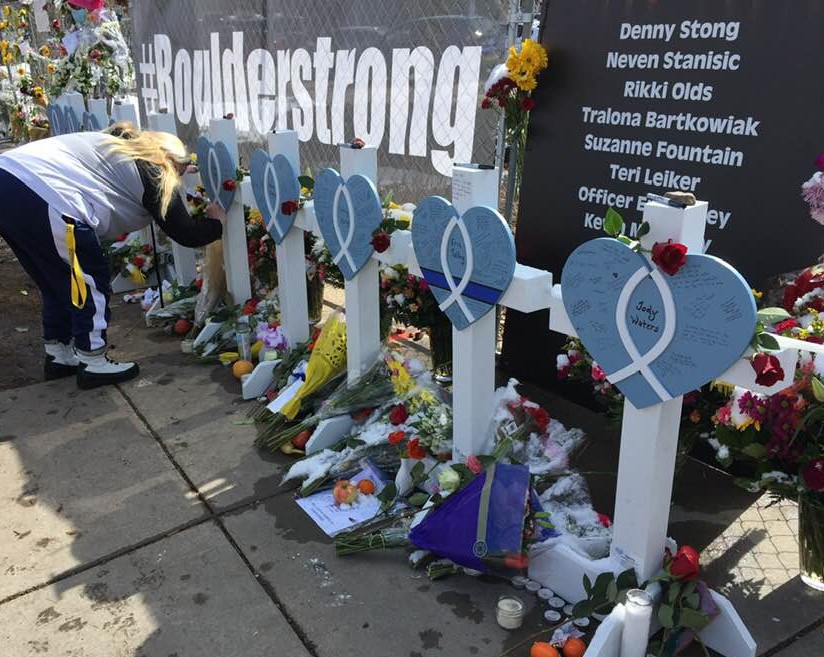
As an older baby boomer, this rang true, until I started reading comments from younger women. They talked about being raped—a word I hardly knew when I was in high school—and pointed out that they had grown up with the threat of school shootings, and the subsequent preventive measures, like lock-down drills, that promoted constant fear and anxiety.
We baby boomers had our own school drills, like crawling under the desks to practice what we would do if the Soviet Union launched nuclear warheads at the U.S., something that seemed very possible during the Cold War when both countries were building nuclear arsenals that threatened the destruction of the whole planet, otherwise known as MAD—mutually assured destruction.
Continue reading “Who Hurts the Most?” Aging Journal